AI Sales Pipeline Optimization: CRM Automation & Lead Scoring for Maximum Conversions
Introduction
AI sales pipeline optimization is transforming the way businesses turn prospects into revenue. Traditional sales pipelines rely heavily on manual processes, leaving opportunities to human error, missed follow-ups, and delayed responses. Integrating AI-driven tools such as automated lead scoring, AI CRM tools, and CRM automation creates a unified sales engine where every lead is tracked, prioritized, and acted upon with precision.
With AI sales pipeline optimization, businesses gain visibility into every stage of the sales process. Predictive analytics, intent scoring, and workflow automation ensure that leads are not only captured but nurtured according to their likelihood to convert. This means faster pipeline velocity, higher conversion rates, and measurable revenue growth.
Unlike conventional systems, AI-powered pipelines continuously learn from past outcomes, adjusting scoring models and automation sequences to reflect what actually drives conversions. When combined with AI marketing campaigns, this creates an end-to-end solution—from lead generation to closed deals—that is both scalable and efficient.
In this article, we’ll explore the benefits of AI sales pipeline optimization, how CRM automation and automated lead scoring work together, and how business owners can implement these tools to maximize revenue.
Understanding AI Sales Pipeline Optimization
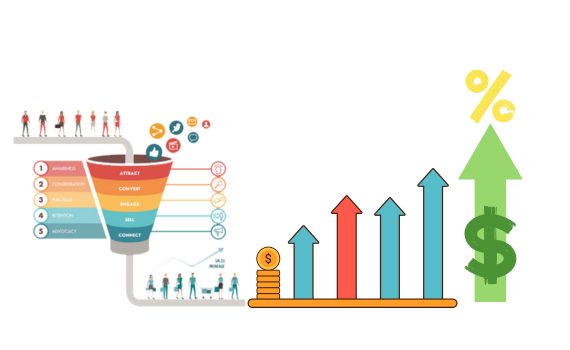
AI sales pipeline optimization uses machine learning algorithms and predictive analytics to streamline the flow of leads through the sales process. By analyzing historical data, behavioral signals, and engagement patterns, AI determines which leads are most likely to convert and prioritizes them for follow-up.
Key advantages include:
- Automated qualification of leads based on scoring models
- Intelligent routing to the right sales reps or automated assistants
- Real-time visibility into pipeline health
- Predictive forecasting for revenue and resource allocation
AI sales pipeline optimization ensures that every lead is given the right attention at the right time, minimizing delays and maximizing conversion potential.
Internal Link: Learn how AI marketing campaigns feed high-quality leads into your sales pipeline in our
AI Marketing Campaigns & Sales Automation article.
CRM Automation: Streamlining Lead Management
CRM automation is central to optimizing your sales pipeline. Automated workflows capture lead information, update records, assign tasks, and trigger follow-ups without manual intervention. This eliminates bottlenecks, ensures consistency, and frees up your sales team to focus on high-value interactions.
Benefits include:
- Automatic lead assignment based on scoring and territory rules
- Triggered follow-ups and reminders
- Real-time dashboards for pipeline visibility
- Seamless integration with AI marketing campaigns and AI sales assistants
When paired with AI CRM tools, automation becomes predictive. The system recommends next-best actions, alerts sales reps of high-priority leads, and ensures no lead falls through the cracks.
CTA:
Try AI CRM Automation in your sales pipeline →
Automated Lead Scoring: Prioritize Leads That Convert
Automated lead scoring uses AI to evaluate the likelihood that a lead will convert based on multiple data points. These include engagement behavior, demographic and firmographic data, past interactions, and historical conversion patterns. The AI continuously refines the scoring model as new data becomes available.
With automated lead scoring:
- Sales reps focus on the most promising leads
- Low-intent leads are nurtured automatically
- Marketing and sales teams align on a shared definition of qualified leads
- Conversion rates and pipeline velocity increase
Integrating lead scoring with CRM automation ensures that your pipeline is not just managed—it’s optimized for performance.
Internal Link: For a detailed look at AI sales assistants handling qualified leads, check our
AI Sales Assistants & Voice Agents article.
Predictive Analytics and Forecasting
AI sales pipeline optimization also incorporates predictive analytics to forecast revenue and identify potential bottlenecks. By analyzing historical data and current pipeline activity, AI can:
- Predict which deals are most likely to close
- Estimate revenue for upcoming quarters
- Identify stages where leads often stall
- Recommend actions to accelerate deals
This intelligence enables business owners to allocate resources effectively, plan staffing, and make informed growth decisions.
Implementing AI Sales Pipeline Optimization
To implement AI sales pipeline optimization:
- Audit your current sales process and identify bottlenecks
- Integrate AI CRM tools and enable workflow automation
- Set up automated lead scoring models based on historical conversion data
- Connect your AI marketing campaigns to feed qualified leads into the pipeline
- Train teams to leverage AI recommendations while maintaining human oversight
With this approach, businesses can achieve faster pipeline velocity, higher conversion rates, and measurable ROI.
Conclusion
AI sales pipeline optimization transforms sales operations from reactive to proactive. By combining CRM automation, automated lead scoring, and predictive analytics, businesses can prioritize high-value leads, reduce manual effort, and drive predictable revenue growth.
Integrating AI marketing campaigns, AI sales assistants, and voice agents ensures a seamless flow from lead generation to deal closure. This end-to-end approach provides speed, accuracy, and scalability that manual pipelines cannot match.
Final CTA:
Book your free AI sales pipeline demo today →